
Summer drinks and ice cream without risk: Hygiene of ice makers and cooling equipment
What kind of summer would it be without ice cream or chilled drinks? On scorching days, everyone loves to treat themselves to something refreshing that they can truly enjoy. If you prepare these delights yourself, keep in mind their hygiene is probably more important than you think.
Hygiene of the ice maker
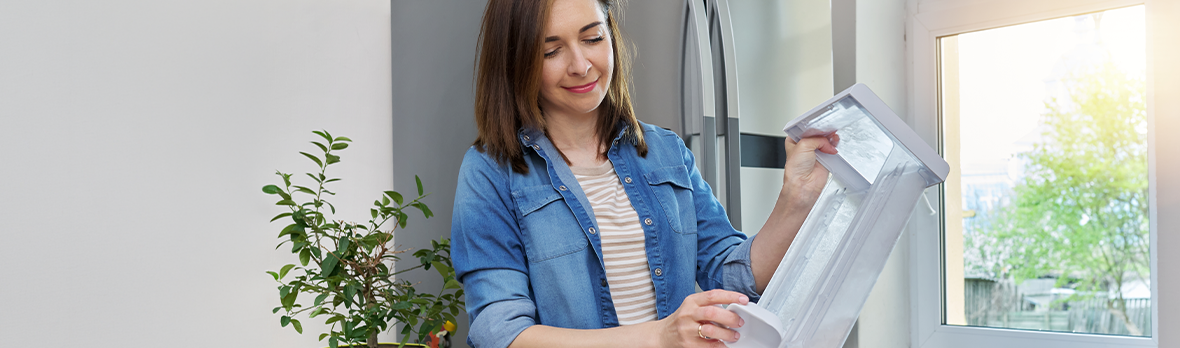
You surely remember square ice cube trays in the freezer or those single-use filling bags. Today, automatic ice makers are becoming an increasingly widespread household appliance. But just as we care about hygiene in the refrigerator or freezer, the ice maker also has its own hygiene requirements.

Regular maintenance is important for its proper operation, efficiency, and also hygiene. Before cleaning, always unplug the device from the power supply. We recommend wiping down the exterior parts at least once a week with a soft cloth and a mild cleaning agent. A sodium hypochlorite solution is ideal, or alternatively a special cleaning agent suitable for nickel.
Remember to regularly clean the interior parts, the tank and the ice scoop with a cleaning solution too. After cleaning, rinse everything thoroughly with clean water and let it air dry. The air filters, which trap dust and impurities, also need to be maintained. Blocked filters can reduce the performance of the appliance and lead to failures. Therefore, clean the filters about once a month using a vacuum cleaner or under running water, and allow them to dry before reinserting them.
Ice cream must be free of contamination
Ice cream machines are much more vulnerable to contamination, as they come into contact with foods that often already host bacteria.
Therefore, it is important to clean and disinfect the ice cream maker immediately after making ice cream.

– Make sure to prepare properly. Before cleaning, remove all residue and take out the parts of the machine you want to clean.
– Cleaning and disinfection. Prepare the cleaning solution. First, add water to the container in which you will be washing the parts, and then add the special cleaning solution.
– Immerse all parts that need cleaning in the prepared solution or apply it directly to their surface. Let the solution act for approximately 5 to 15 minutes, according to the degree of dirtiness.
– Rinsing. After disinfecting, rinse all parts thoroughly with drinking water. Rinsing is important even if the product is odorless.
Make sure to clean the refrigerator and cooler
First, disconnect the refrigerator from the power source and empty it completely. Inspect the food and throw away those that are past their expiration date. Wash the shelves, drawers, and other removable parts by hand or in the dishwasher, if they can be washed that way.
Always clean the inside of the refrigerator from top to bottom to avoid dirt dripping onto areas that have already been cleaned. Use a mild cleaning solution for stubborn stains.
Also pay attention to the rubber door seal, as it affects proper cooling and energy consumption. Clean it regularly and carefully.

After cleaning and washing the refrigerator, let it dry completely, ideally with the door open. Finally, also wipe the exterior, including the handle, and return the food placing it to the appropriate cooling zones. You can use the kitchen towels 4002.

Green Up Your Facilities
Each building is characterised by its architecture, location and the purpose for which it was built.
Show more
What do you need to set in your facility already in October to avoid having to deal with a fire in December?
As the weather turns colder, the heating season will gradually...
Show more
The Psychology of Shared Bathrooms
How does human psychology work when it comes to shared bathrooms?
Show more